Kawah Ijen
In East Java, sulfur gases ignite into electric-blue flames beside the world's most acidic crater lake — while miners haul 90-kilo loads of sulfur through the fumes.
KAWAH IJEN, Indonesia — The hike starts at 2 a.m., headlamps on, gas masks around necks. From the Paltuding gate on the Banyuwangi side, the trail climbs through coffee plantations and mountain forest for two hours before the crater rim appears — and below it, in the dark, something that looks impossible: a volcano burning blue.
The blue fire is Kawah Ijen's signature, and it is not what most visitors expect. It is not blue lava. Sulfur-rich gases escape from fumaroles on the crater floor at temperatures of up to 600°C; the moment they meet the oxygen-rich night air, they combust, throwing flames that can rise five metres and melt the surrounding sulfur into liquid fire that runs downhill. It is visible only in darkness — by day the same vents are just white smoke. Ijen has the largest blue-flame area of any volcano on Earth.
The acid lake
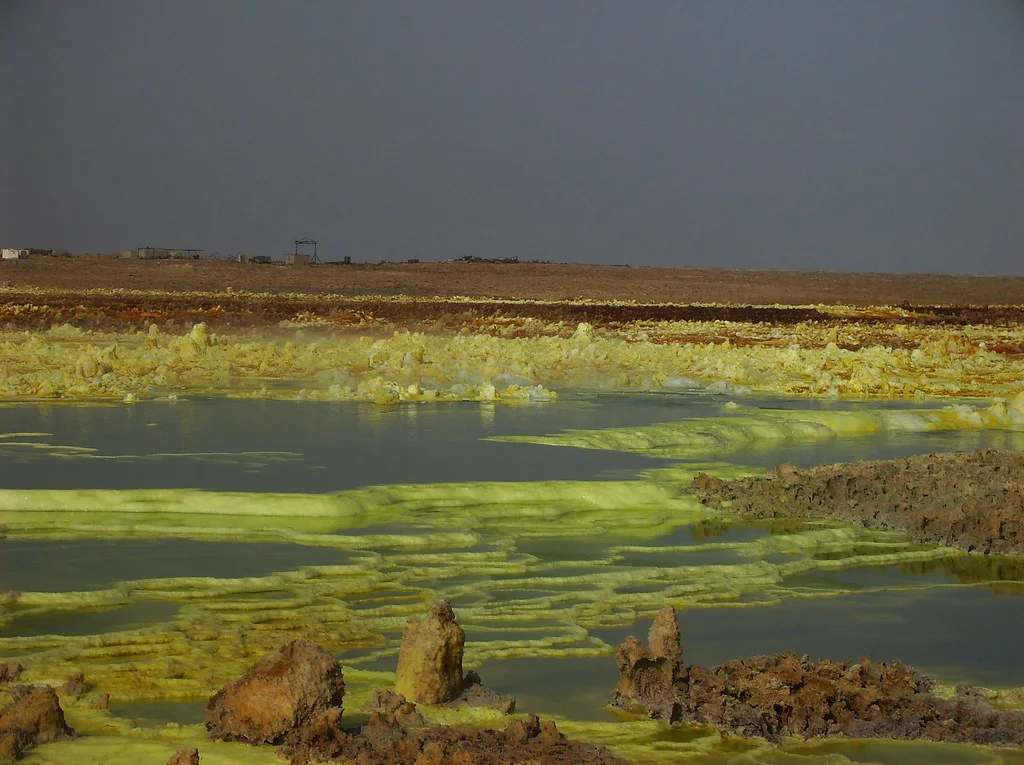
At dawn the flames give way to the crater's second wonder: a turquoise lake nearly a kilometre across, the largest highly acidic crater lake in the world. Its pH can fall to 0.2 — comparable to battery acid — its colour comes from dissolved minerals, and nothing lives in it. The lake sits in an active hydrothermal system inside a 20-kilometre caldera on the border of Banyuwangi and Bondowoso regencies; the complex's highest point, Gunung Merapi — "mountain of fire" — rises to 2,769 metres nearby. In 2023 the whole area joined UNESCO's Global Geoparks network.
The miners
The same sulfur that burns blue is also Kawah Ijen's livelihood. Mining here dates to the Dutch colonial era, and the method has barely changed: ceramic pipes channel sulfur vapour from the vents, the vapour condenses into solid yellow deposits, and miners break them out by hand and carry 60 to 90 kilograms on bamboo shoulder poles — up the crater wall, then three kilometres to the weighing station at Paltuding. Twice a day, sometimes three. Pay runs to about US$13 a day, decent money locally for one of the most physically punishing jobs anywhere: steep paths, toxic fumes, no protective gear beyond a cloth mask for most. Give them the right of way on the trail; they were here before the tourists and will be here after.
Go prepared: the gate runs 2 a.m. to noon, foreign entry is around 150,000 IDR, and a real gas mask, warm layers and a headlamp are non-negotiable. The crater reopened on 28 September 2026 after a September forest-fire closure, and a scheduled conservation closure — the annual Ijen Rijik cleanup — falls on 6 November 2026, when tourism is suspended. Check conditions before you go; this is a working volcano and access changes with the weather and the mountain's mood.
Researched feature, not a firsthand report. Volcanic conditions and access rules change — confirm current guidance before travelling.
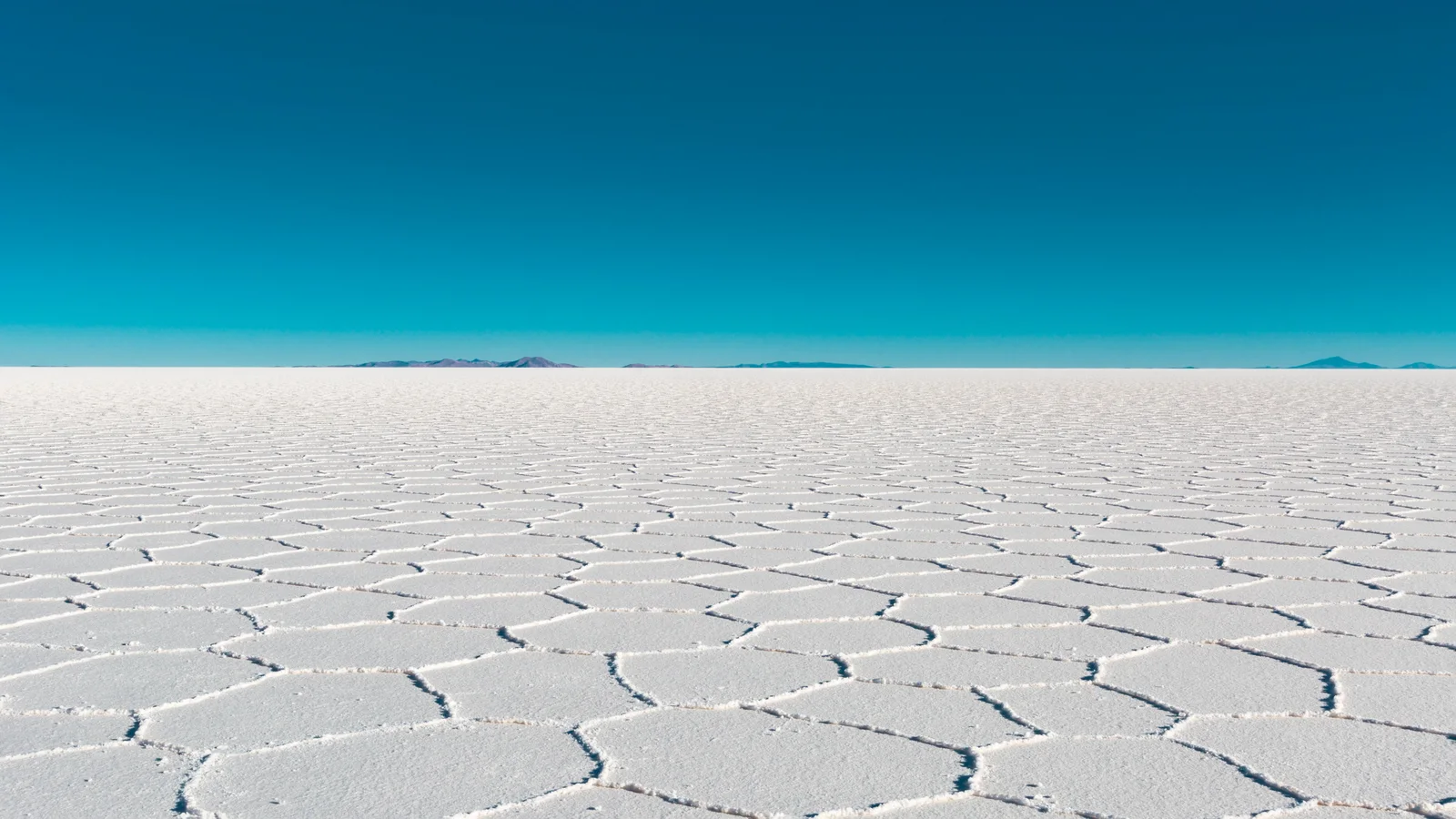
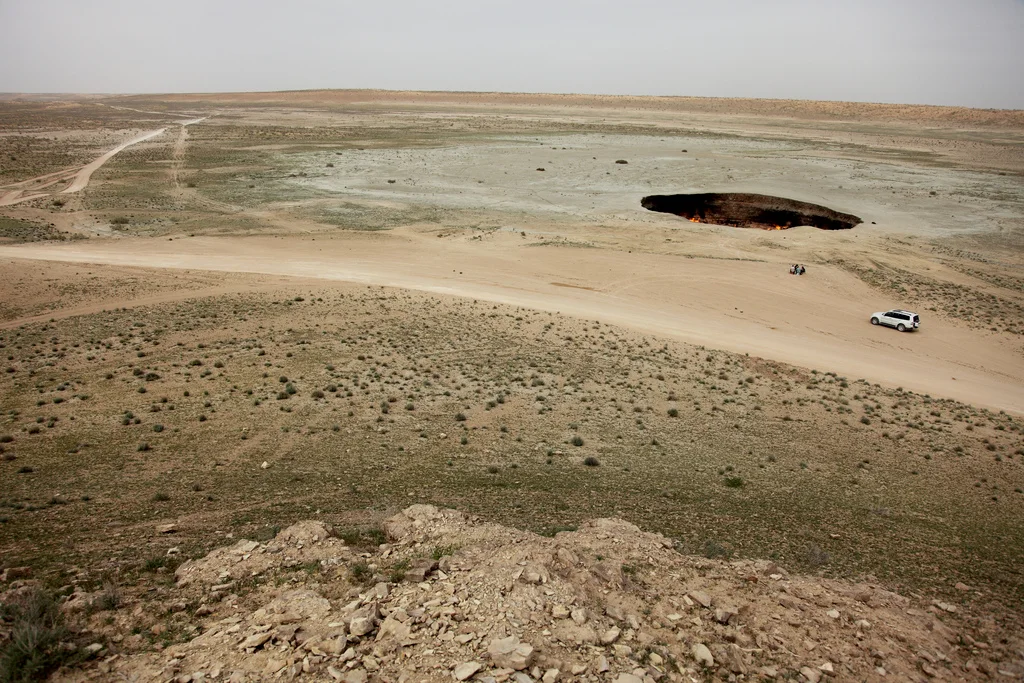
Photographs are archival views and may not show current conditions.
In motion
Moving pictures
The photographic record