Dallol, Danakil Depression
Neon-green acid pools, salt chimneys and iron-red crusts in the Danakil Depression — one of the most alien, most extreme landscapes on Earth.
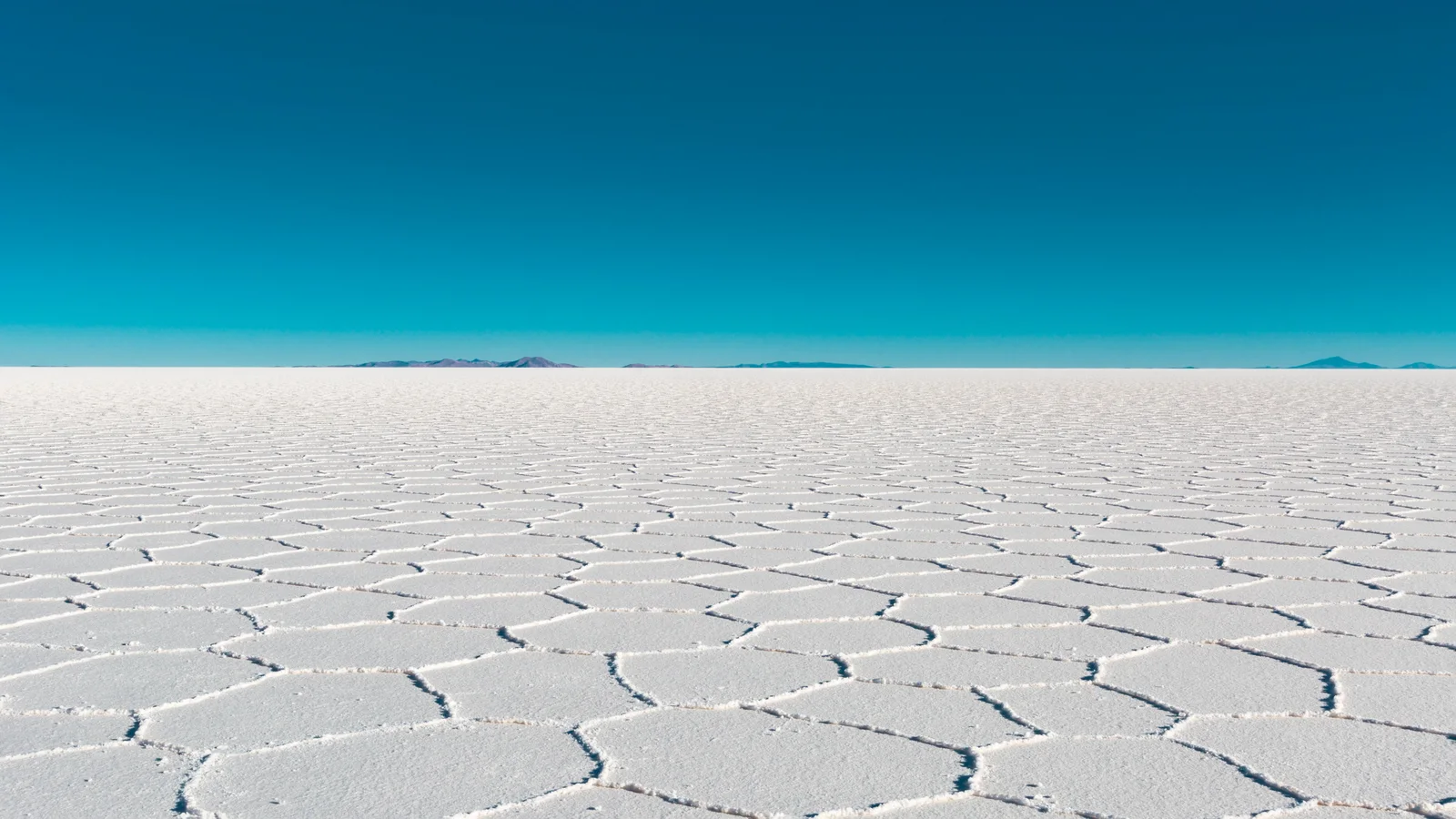
DALLOL, Ethiopia — It looks like another planet, and chemists would not argue. In the Danakil Depression, up to 125 metres below sea level in the Afar Triangle, the hydrothermal field of Dallol spreads a palette of lime green, sulphur yellow, ochre and blood red across white salt crust. Small geysers of brine build cones of salt; hot springs discharge fluids hotter than 108°C, nearly ten times saltier than seawater, and so acidic their pH drops below zero — among the most acidic natural fluids measured anywhere on Earth.
The word dallol comes from the Afar people and means dissolution or disintegration, a fair description of what the chemistry does to rock here. The system formed when basaltic magma intruded into ancient Miocene salt beds, superheating groundwater into hyper-acidic brines loaded with iron. When those brines reach the surface, the iron oxidises — and that inorganic chemistry, not biology, is what paints the scene. At Yellowstone's Grand Prismatic Spring the colours come from microbes; at Dallol, it is rust, essentially, performing in high-definition.
Where life meets its limit
That makes Dallol a key site for astrobiologists hunting the limits of life. In 2019 a French-Spanish team reported in Nature Ecology & Evolution that while the surrounding salt plains teem with halophilic microbes, the hyper-acid, hypersaline ponds themselves — combined with magnesium that denatures biomolecules — appear to hold no life at all. The finding is debated, but the consensus framing holds: Dallol is one of Earth's few genuinely poly-extreme environments, a place where several separate killers — heat, acid, salt, anoxia — all arrive at once.
A volcano with a fever
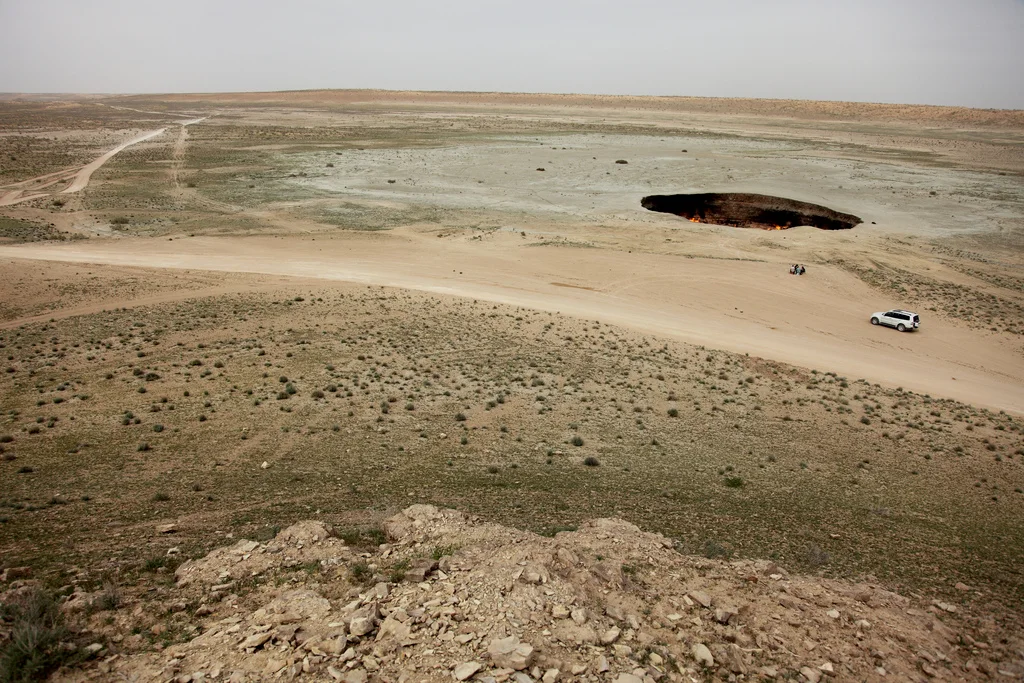
The Dallol mountain itself is modest — about 60 metres above the salt plains, its collapsed crater the lowest known subaerial volcanic vent on Earth at roughly 45 metres below sea level. Phreatic eruptions formed the crater in 1926; the magma chamber shifted again in 2004, and the most recent activity was a degassing event in 2011. The site is restless in a smaller way, too: springs switch on and off within days, and the colours drift with them — white to green to gold to purple. Nearby sits Gaet'Ale Pond, analysed as the most saline water body on Earth.
Getting here is not casual. The Danakil is one of the hottest, driest places on the planet — the abandoned sulphur-mining town of Dallol once held the record for the highest average temperature of any inhabited place on Earth. Tours run from Mekele with armed escorts as standard practice, the Afar region has seen conflict, and the pools themselves are hazardous: acid basins and toxic fumes, not a swimming hole. Check current travel advisories, bring litres of water, and don't step off the path the guides use.
Researched feature, not a firsthand report. Security conditions in the Afar region change — verify current advisories and travel with an established operator.
Photographs are archival views and may not show current conditions.
The photographic record